
SEO for Success: Why WordPress is the best choice for businesses that want to rank #1 on Google.

post

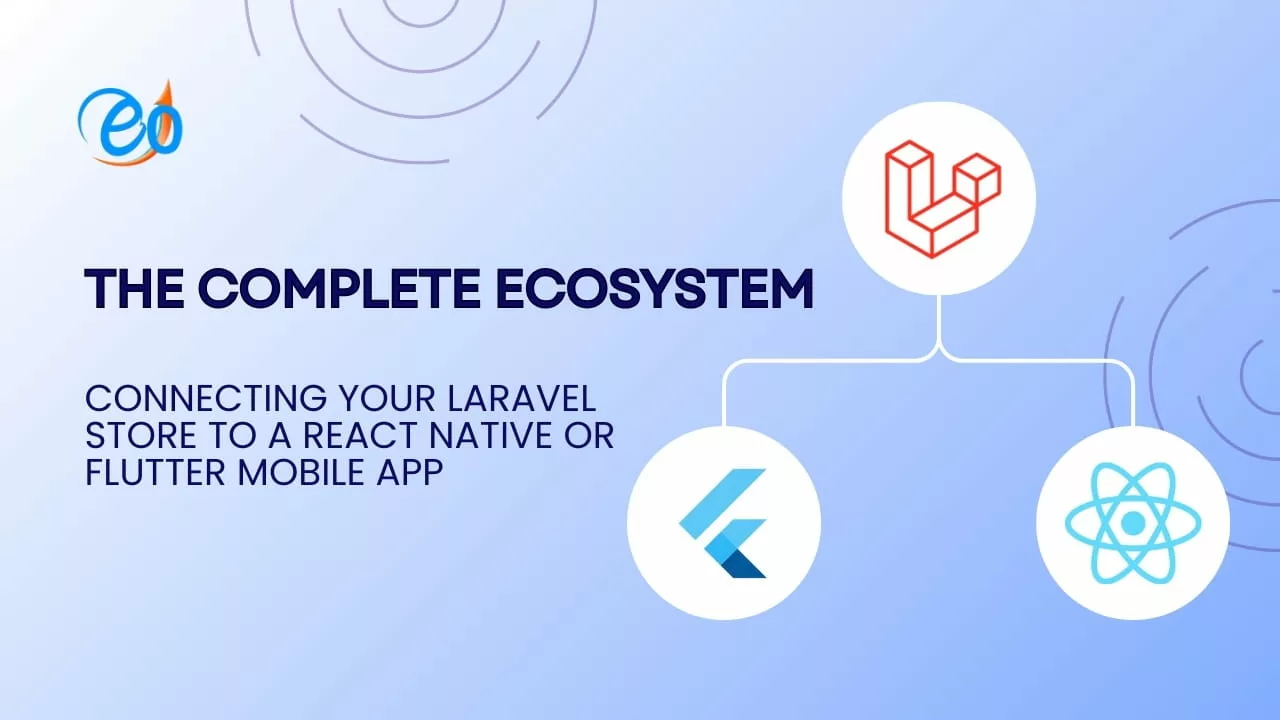
The Complete Ecosystem: Connecting your Laravel Store to a React Native or Flutter Mobile App.

In today’s digital marketplace, a web presence alone is rarely enough. To capture the full attention of your customers, you need a seamless ecosystem that spans across desktop and mobile devices.

At Eocambo Technology, we specialize in building these interconnected systems. One of the most powerful and scalable ways to achieve this is by using Laravel as your central engine (backend) and connecting it to high-performance mobile frameworks like React Native or Flutter.

In this article, we’ll explore why this “Complete Ecosystem” approach is the gold standard for modern businesses and how the integration works.

1. Why Laravel is the Perfect “Brain” for Your Business

Laravel has earned its reputation as the world’s most popular PHP framework for a reason. It is secure, scalable, and developer-friendly. When we build a custom website or e-commerce store with Laravel, we aren’t just building a site; we are building a robust administrative hub.

  • Centralized Data: Manage your inventory, users, and orders in one place.

  • Security: Built-in protection against SQL injection and cross-site scripting.

  • API-First Design: Laravel makes it incredibly easy to create “Restful APIs,” which act as the bridge to your mobile apps.

2. The Power of Choice: React Native or Flutter?

When it comes to the “body” of your mobile ecosystem—the app your customers actually touch—we utilize the two leading industry standards:

  • React Native: Developed by Meta (Facebook), it allows for a truly native feel using JavaScript. It’s perfect for brands that want high performance and a massive library of plugins.

  • Flutter: Developed by Google, Flutter is known for its stunning UI and lightning-fast rendering. It’s ideal for businesses that want a highly branded, unique visual experience across both iOS and Android.

No matter which framework you choose, both connect seamlessly to your Laravel backend.

3. How the Connection Works: The API Bridge

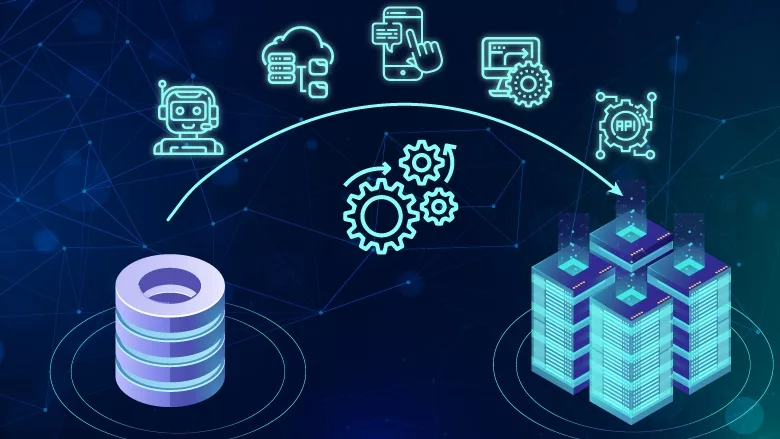
The magic happens through an Application Programming Interface (API). Think of the API as a waiter in a restaurant.

  1. The Mobile App (the customer) asks for information (e.g., “Show me the latest products”).

  2. The API takes that request to the Laravel Backend (the kitchen).

  3. Laravel fetches the data from the database and sends it back through the API to be displayed beautifully on the phone.

This means if you update a product price in your Laravel admin panel, it updates instantly on your website, your Android app, and your iPhone app simultaneously.

4. Benefits of a Unified Ecosystem

  • Cost Efficiency: You don’t need three separate teams managing three different databases. One backend rules them all.

  • Better User Experience: Customers can start shopping on their laptop and finish their purchase on your mobile app without losing their cart.

  • Data-Driven Decisions: With a unified system, your analytics are consolidated, giving you a clearer picture of your customer’s journey.

Ready to Build Your Ecosystem?

At Eocambo Technology, we don’t just write code; we build solutions that grow businesses. Whether you are looking for a custom Laravel e-commerce platform or a high-performance mobile app in Flutter or React Native, our team is ready to bring your vision to life.

Explore our range of specialized services here:

👉 View Our Solutions & Products

Are you ready to take your business to the next level? Let’s start a conversation:

đź“© Contact the Eocambo Team Today


Empowering your digital transformation through scalable, integrated technology.

Security for Your Customers: How Laravel protects credit card data and personal info better than basic plugins.

In the competitive world of e-commerce and digital services, security isn’t just a technical requirement—it is the foundation of customer trust. When a user enters their credit card details or personal information on your site, they are handing you the “keys” to their financial life.

Many businesses start with “off-the-shelf” CMS platforms or basic plugins to handle these transactions. However, as cyber threats become more sophisticated, these generic solutions often fall short. At Eocambo, we specialize in building high-performance, secure systems using Laravel, the PHP framework designed for developers who prioritize security.

Here is why Laravel protects your customers’ data better than basic plugins.

1. Robust Encryption vs. Plugin Vulnerability

Basic plugins often store data using standard encryption or, in worst-case scenarios, outdated methods that are easy for hackers to crack. Laravel uses the AES-256 and AES-128 encryption via the OpenSSL library.

Every piece of sensitive data—whether it’s a customer’s address or a stored token—is encrypted using a unique “App Key.” This ensures that even if a database is breached, the information remains unreadable and useless to the attacker.

2. Built-in Defense Against SQL Injections

One of the most common ways hackers steal personal info is through SQL injection, where they “trick” a website’s database into revealing all its records. Many basic plugins are susceptible to this because they use poorly written queries.

Laravel’s Eloquent ORM uses PDO parameter binding by default. This means every piece of data a customer enters is automatically sanitized, making it virtually impossible for malicious code to reach your database.

3. Protection Against Cross-Site Request Forgery (CSRF)

Imagine a customer is logged into your site, and a malicious third-party site triggers a hidden request to change that customer’s password or shipping address. This is a CSRF attack.

While many plugins require additional configuration (which is often forgotten) to prevent this, Laravel has CSRF protection built into its core. It generates a unique security token for every active user session, ensuring that every request made to your server is legitimate and authorized.

4. Professional Handling of Payment Data (PCI Compliance)

Handling credit card data directly is a massive liability. Basic plugins often attempt to process this data on your server, which can lead to catastrophic data leaks if the plugin has a “backdoor.”

With Laravel, we integrate industry-leading payment gateways (like Stripe or Braintree) using official, secure SDKs. This ensures that credit card data never touches your server. Instead, it is exchanged for a secure “token.” This method not only keeps your customers safe but also makes your business PCI-compliant with minimal effort.

5. Regular Updates vs. Abandoned Plugins

The “plugin graveyard” is a major security risk. Many free or cheap plugins are eventually abandoned by their creators, leaving unpatched security holes.

Laravel is backed by a global community of experts and a dedicated core team that releases frequent security patches. When we build a custom system for you, we ensure your “tech stack” is modern, supported, and proactively defended against the latest threats.

Secure Your Business Today

In a digital-first economy, a single data breach can destroy a brand’s reputation overnight. Don’t leave your customers’ safety to a $20 plugin. By choosing a custom Laravel solution, you are investing in a fortress for your data.

At Eocambo, we help businesses transition from vulnerable, “basic” setups to enterprise-grade systems tailored to their specific needs.

Scaling Your Sales: Why a Laravel Store Won’t Crash During a Viral Marketing Campaign

In the digital era, “going viral” is the ultimate dream for any marketing team. Whether it’s a flash sale, an influencer shout-out, or a trending social media post, a sudden surge in traffic can be the turning point for your business.

However, for many business owners, this dream quickly turns into a nightmare when their website fails to handle the pressure. A crashing site doesn’t just mean lost sales; it means a damaged brand reputation and wasted marketing dollars.

If you are planning to scale, you need a foundation that is built for growth. This is where Laravel – the world’s most popular PHP framework comes into play. Here is why a Laravel-powered store remains rock-solid, even when your marketing campaign goes viral.

1. Advanced Caching Capabilities

When thousands of users hit your site simultaneously, the biggest bottleneck is often the database. Laravel supports popular caching backends like Redis and Memcached out of the box. By storing frequently accessed data (like product descriptions or navigation menus) in the cache, Laravel reduces the load on your server, allowing it to serve pages almost instantaneously to a massive audience.

2. Efficient Queue Management

A viral campaign often triggers a flood of background tasks: sending order confirmation emails, processing payments, and updating inventory. If a website tries to do all of this at once for every visitor, it will slow down or crash.

Laravel’s Queue system allows you to defer these heavy tasks to a background process.This ensures the user experience remains lightning-fast while the “heavy lifting” happens seamlessly in the background.

3. Horizontal Scalability

A Laravel application is designed with scalability in mind. It can easily be deployed across multiple servers (Horizontal Scaling). By using a load balancer, your traffic is distributed evenly across several server instances. If one server gets overwhelmed, the others pick up the slack, ensuring 100% uptime during your most critical sales windows.

4. Optimized Database Performance

Laravel’s Eloquent ORM and migration system make it easy to optimize database queries. With features like “Eager Loading,” Laravel prevents the common “N+1” query problem that often bogs down less sophisticated platforms. A leaner, faster database means more concurrent customers can checkout without a hitch.

5. Robust Security for High Traffic

Viral campaigns often attract unwanted attention from bots and malicious actors. Laravel provides built-in protection against SQL injection, cross-site request forgery (CSRF), and cross-site scripting (XSS). While you focus on sales, Laravel’s security features ensure your customer data stays protected and your site stays online.

Build Your Future-Proof Store with EoCambo

At EoCambo, we specialize in building high-performance, custom web solutions tailored to your business needs.We understand that your website is more than just a digital storefront—it’s the engine of your growth.

Whether you are looking for a bespoke e-commerce platform or a complex enterprise system, our team of experts uses Laravel to ensure your business is ready for the “viral” moment.

Don’t let a technical failure limit your success. Choose a framework—and a partner—that grows with you.

How Legacy Systems Are Holding Your Business Back

In the fast-paced world of digital business, sticking with what you know can sometimes be the riskiest move of all. “Legacy systems” outdated software, hardware, or processes might feel comfortable, but they often act as an invisible anchor, slowing down operations and draining resources.

While these systems may have served you well in the past, relying on them in today’s competitive market is a liability. Here is how holding onto outdated technology is quietly sabotaging your growth and why modernization is no longer optional.

1. The Hidden Costs of “Free” Maintenance

It is easy to assume that keeping an old system is cheaper than buying a new one. However, the maintenance costs of legacy software often far exceed the price of an upgrade. As technology evolves, finding technicians who understand outdated code or hardware becomes difficult and expensive.

Furthermore, legacy systems are inefficient. Your team likely spends valuable hours on manual workarounds, data entry, and fixing bugs—time that could be spent on innovation and sales.

2. Security Vulnerabilities

Cybersecurity is perhaps the most critical reason to move away from legacy systems. Older software stops receiving security patches and updates from developers, leaving “back doors” open for cybercriminals.

Modern systems come with built-in, up-to-date security protocols that protect your business and your customer’s sensitive data. Clinging to the past doesn’t just risk efficiency; it risks your reputation.

3. Inability to Scale

When your business grows, your technology needs to grow with it. Legacy systems are notoriously rigid. They struggle to integrate with modern tools like cloud computing, mobile apps, or advanced analytics.

If you want to expand into e-commerce, offer a mobile app to customers, or simply automate your inventory, an outdated system will likely say “no.” Modern solutions are designed to be flexible, allowing you to add new features and modules as you scale.

4. Poor Customer Experience

Today’s customers expect speed and convenience. They want to order online, track deliveries in real-time, and get instant support. Legacy systems often result in slow processing times and disjointed data, leading to frustrated customers who may take their business elsewhere.

By modernizing, you provide a seamless experience that builds loyalty and trust.

How We Can Help

At eOcambo Technology, we understand that transitioning from the old to the new can feel overwhelming. That is why we specialize in bridging the gap between where you are and where you need to be. Whether you need a custom-built system or a ready-to-launch mobile application, we have the tools to modernize your operations without the headache.

From grocery store apps to comprehensive business management systems, our products are designed to streamline your operations and future-proof your business.

Don’t let yesterday’s technology dictate your tomorrow. If you are ready to cut costs, improve security, and scale your business, we are here to guide you every step of the way.

Contact us today for a free consultation and let’s discuss how we can unlock your business’s full potential.

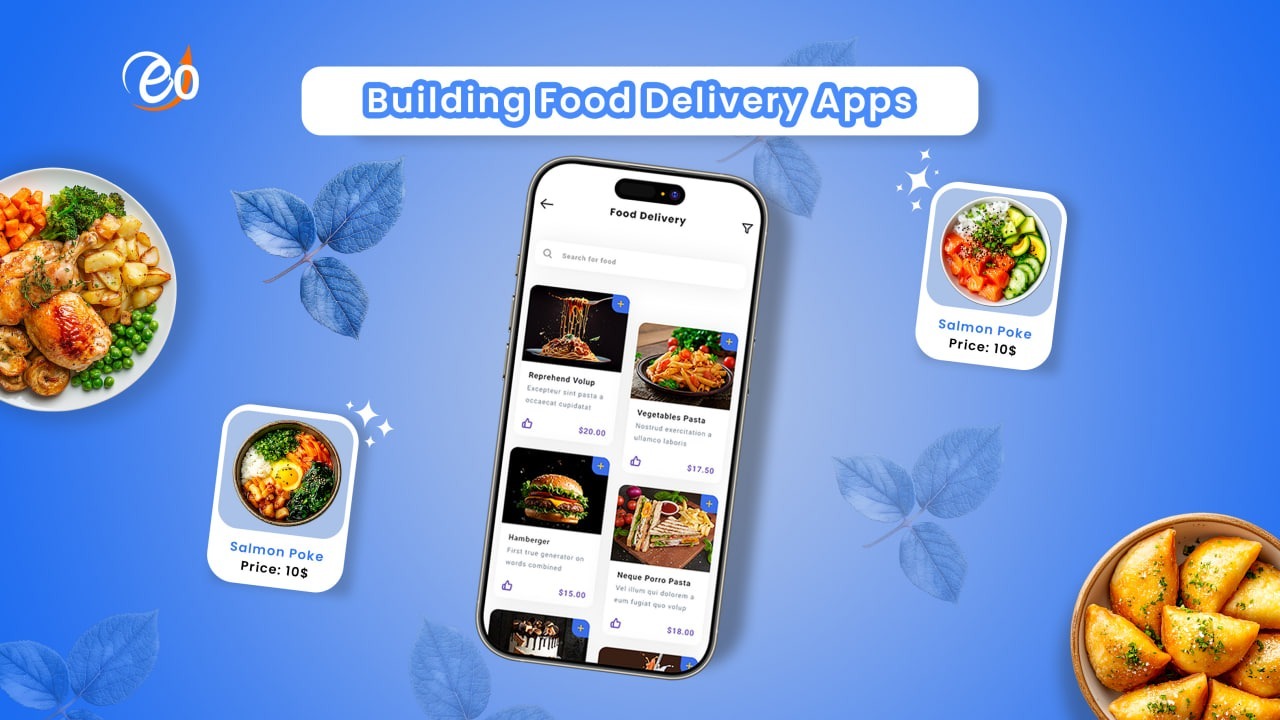
Building Food Delivery Apps

In the age of convenience, food delivery apps have transformed the way people order and enjoy their meals. Whether it’s a small restaurant or a large food chain, having a dedicated food delivery app has become essential for reaching customers and growing business. The rise in smartphone usage and busy lifestyles has increased the demand for quick and easy food ordering solutions, making mobile apps an indispensable tool for the food service industry.

Core Features

A successful food delivery app should include essential features such as user registration, restaurant listings, real-time order tracking, secure payments, order history, and push notifications. User registration ensures that each customer can have a personalized experience, including saved preferences and previous orders. Real-time tracking allows users to monitor their order from preparation to delivery, enhancing transparency and trust. Secure payment gateways are crucial to protect user data and support various payment methods. Push notifications keep users engaged by informing them of order status updates, discounts, and special offers.

User Roles

Typically, a food delivery app consists of three user roles: the Customer App for placing and tracking orders, the Restaurant App for managing menus and receiving orders, and the Delivery App for handling deliveries and updating statuses. Each of these apps should be designed with user-specific needs in mind. The Customer App should be intuitive and visually appealing, allowing for quick navigation and order placement. The Restaurant App should support real-time updates to menus, track incoming orders, and generate reports. The Delivery App needs GPS integration and status update features to ensure timely deliveries and accurate tracking.

UI/UX Design

A smooth and intuitive UI/UX design is vital to attract and retain users. The interface should be clean, responsive, and easy to navigate on all devices, ensuring that users can order food without confusion or delays. Visual hierarchy, consistent branding, and user-friendly workflows play a major role in creating a positive experience. Features like one-click reordering, search suggestions, and filter options can significantly enhance usability. Accessibility should also be a key consideration, ensuring the app is inclusive to all users.

Technology Stack

The technology stack is the backbone of the app. Common tools include Flutter or React Native for the frontend, Node.js or Django for the backend, MySQL or Firebase for the database, and third-party APIs like Google Maps and Stripe for added functionality. Choosing a cross-platform framework can reduce development time and costs. Backend frameworks should be scalable and secure, capable of handling high volumes of orders and user data. Real-time database updates, cloud hosting, and CDN usage are essential for performance and reliability.

Monetization Strategies

Monetization can be achieved through various strategies such as delivery fees, restaurant commissions, premium placements, and in-app ads. Delivery fees can be fixed or dynamic based on distance and time. Commission models work well with restaurant partners, sharing a percentage of each order. Premium listings allow restaurants to appear at the top of search results in exchange for a fee. In-app advertising, when implemented subtly, can generate additional revenue without disrupting user experience.

Challenges to Consider

However, developers must also tackle challenges like real-time tracking, maintaining food quality, handling peak demand, and ensuring data privacy. Real-time GPS tracking requires constant location updates and reliable mapping services. Maintaining food quality involves optimizing delivery routes and packing solutions. During peak hours, systems must be able to handle increased traffic and order volume. Cybersecurity measures must be in place to protect sensitive user data and comply with data protection regulations such as GDPR.

Conclusion

Building a food delivery app is a smart investment in today’s fast-paced world. With the right features, design, and technology, it can provide excellent customer service, increase sales, and strengthen brand loyalty. By focusing on usability, scalability, and innovation, businesses can meet the growing expectations of modern consumers and stay competitive in the evolving food delivery landscape.

eCommerce is the key to staying competitive in the online marketplace

The digital age has transformed the way businesses operate. As technology continues to evolve, customers now expect convenience, speed, and accessibility when shopping. Consequently, traditional brick-and-mortar stores are no longer enough to keep up with the competition. This is where eCommerce becomes a game-changer.

Why eCommerce is Essential for Business Success

In an increasingly online world, businesses that embrace eCommerce gain a competitive edge. Here’s why:

1. Reach More Customers, Anytime, Anywhere

Unlike physical stores, which are limited by location and operating hours, an eCommerce platform allows businesses to sell products and services 24/7. As a result, potential customers can browse and make purchases from anywhere in the world at any time.

2. Enhance Customer Convenience

Modern consumers value ease and speed. With an eCommerce website, customers can explore products, read reviews, and complete purchases within minutes, all from the comfort of their homes or on the go. Furthermore, offering multiple payment options improves the shopping experience and encourages more sales.

3. Increase Revenue Opportunities

By expanding beyond a local customer base, businesses can tap into new markets and revenue streams. Additionally, online stores provide various upselling and cross-selling opportunities, maximizing sales potential.

4. Gain Valuable Customer Insights and Data

eCommerce platforms provide detailed analytics about customer behavior, purchasing patterns, and preferences. Consequently, businesses can refine marketing strategies, improve products, and personalize the shopping experience. Moreover, this data helps in making informed decisions that drive long-term growth.

5. Achieve Cost-Effective Business Growth

Running an online store often requires lower operational costs compared to physical stores. With reduced expenses on rent, utilities, and in-store staff, businesses can focus on scaling and investing in digital marketing for even greater reach. As a result, companies can expand more efficiently while maintaining profitability.

How to Get Started with eCommerce

If your business isn’t online yet, now is the time to make the move. Here are the key steps to launching your eCommerce presence:

âś… First, choose the right platform (Shopify, WooCommerce, Magento, or a custom-built website).
âś… Next, optimize for mobile users to reach a broader audience.
âś… Then, implement secure and convenient payment options.
âś… In addition, focus on SEO and digital marketing to drive traffic.
âś… Finally, offer excellent customer service and support to build loyalty.

Final Thoughts

eCommerce isn’t just a trend—it’s the future of business. Whether you’re a small startup or an established brand, having an online store is crucial for staying competitive in today’s marketplace. The convenience, scalability, and potential for growth make eCommerce a must-have strategy for success.

Therefore, if you’re ready to take your business online, don’t wait any longer. Contact us today to build a powerful eCommerce platform that sets you apart from the competition!

The Benefits of Having a Website for Your Business

In today’s fast-paced digital world, having a strong online presence is no longer optional—it’s essential. Whether you run a small bakery, a tech startup, or a service-based business, a website acts as your digital storefront, helping you attract customers, build credibility, and grow your brand.

If you’re still unsure whether your business needs a website, let’s break down the key benefits and why investing in one is a game-changer for your success.

1. Your Business is Online 24/7

Imagine having a store that never closes. Unlike a physical location with fixed hours, a website allows potential customers to find and interact with your business at any time of the day or night. Whether they want to browse your services, read customer reviews, or make a purchase, they can do it whenever it’s convenient for them—even while you sleep!

2. Builds Trust & Credibility

Nowadays, customers expect businesses to have an online presence. Without one, they may question your legitimacy. A well-designed website with professional branding, testimonials, and clear contact details makes your business look more trustworthy. Furthermore, it allows you to showcase your expertise, reinforcing confidence in potential customers.

3. Expands Your Customer Reach

With a physical store, your audience is limited to local foot traffic. However, with a website, your reach is limitless. Whether you’re targeting local customers or planning to expand internationally, a website helps you connect with more people, generate leads, and grow your brand.

Even better, optimizing your site for search engines (SEO) ensures that potential customers find you on Google when searching for products or services like yours. Instead of relying solely on word-of-mouth, you can attract customers who may have never heard of your business before.

4. Boosts Sales & Revenue

Your website isn’t just an information hub—it’s a powerful sales tool. Whether you’re selling products through an online store, offering appointment bookings, or simply capturing leads, a website streamlines the buying process and helps you convert visitors into paying customers.

What’s more, having an online store means you’re not restricted to business hours. Customers can place orders anytime, leading to increased sales opportunities. And here’s the best part: No commissions, no middlemen—just direct sales for your business.

5. Strengthens Your Brand & Marketing Efforts

Your website is more than just a place to display information—it’s your marketing powerhouse. Through a website, you can:
âś… Showcase your brand story, mission, and values
âś… Run targeted ads and track performance
âś… Publish blogs to engage customers and boost SEO
âś… Collect emails and build a customer database

By integrating social media, email marketing, and paid ads, you create a cohesive digital strategy that drives long-term success. As a result, your marketing efforts become more effective and measurable.

6. A Cost-Effective & Scalable Investment

Some business owners assume that building a website is expensive. However, compared to traditional advertising or renting a physical space, a website is one of the most affordable and high-return investments you can make.

Moreover, as your business grows, your website can grow with it. You can start with a simple site and add new features over time, such as e-commerce, customer support chatbots, or booking systems. This flexibility ensures that your website remains an asset, adapting to your evolving needs.

Final Thoughts

If you’re serious about growing your business, having a website is non-negotiable. It’s your online HQ—where customers learn about you, trust you, and buy from you.

So, are you ready to take the next step? Let’s build something amazing together. 🚀

👉 Need a professional website that works for you? Contact us today and let’s get started!

How Mobile Shopping is Boosting Sales for Businesses

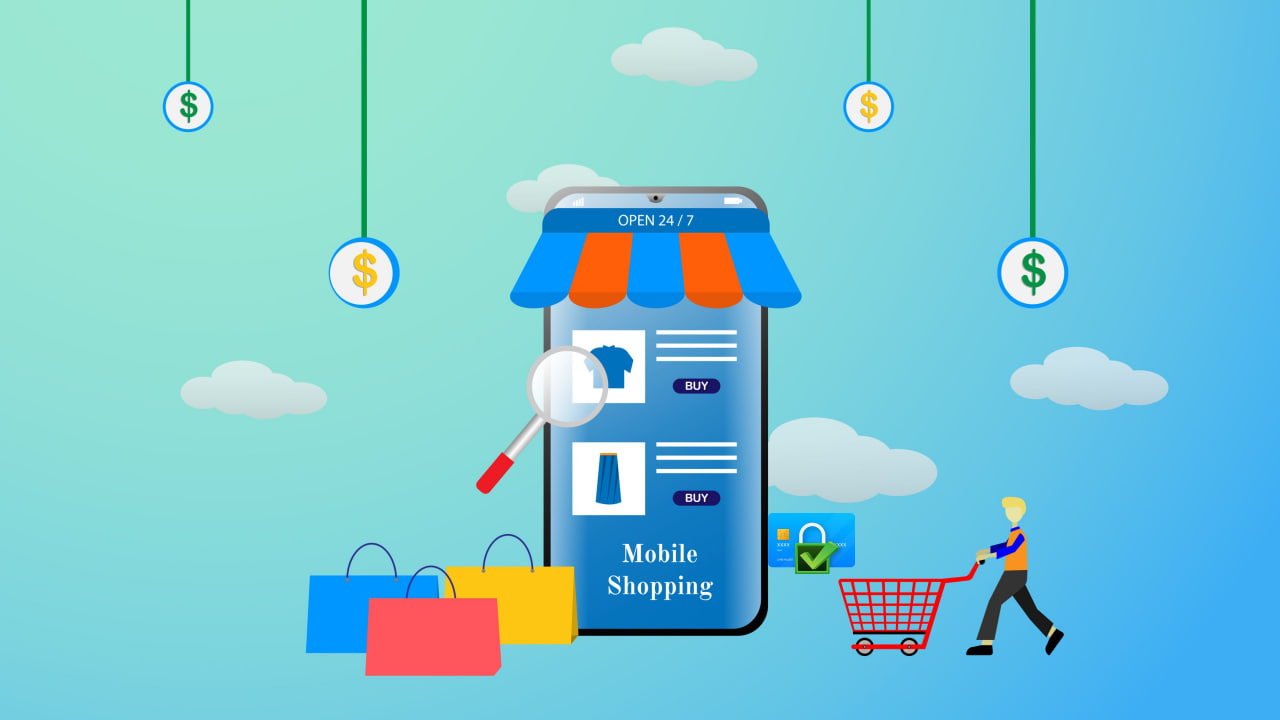
In the digital era, mobile shopping has emerged as a powerful driver of revenue for businesses across the globe. With the proliferation of smartphones and the convenience of online shopping, consumers are increasingly turning to their mobile devices to browse, compare, and purchase products and services. This shift in consumer behavior is not just a trend but a fundamental transformation in how businesses interact with their customers. Here’s how mobile shopping is boosting sales for businesses:

1. Increased Accessibility

Mobile shopping allows customers to shop anytime and anywhere, breaking down the barriers of traditional retail. This 24/7 accessibility significantly increases the opportunities for businesses to engage with their audience. Consumers can make purchases during their commute, while waiting in line, or from the comfort of their homes, leading to higher conversion rates.

2. Personalized Shopping Experiences

Mobile apps and websites leverage advanced algorithms and customer data to provide personalized shopping experiences. By analyzing browsing history, purchase patterns, and preferences, businesses can tailor recommendations, promotions, and notifications to individual users. This level of personalization not only enhances the customer experience but also drives repeat sales.

3. Seamless Payment Options

Mobile shopping platforms integrate with various payment gateways, offering customers multiple payment options such as credit cards, digital wallets, and buy-now-pay-later services. The convenience and security of these payment methods reduce friction in the purchasing process, encouraging more transactions.

4. Enhanced Marketing Opportunities

Mobile devices are a gateway for businesses to connect with customers through targeted advertising, push notifications, and social media integration. For example, a well-timed push notification about a flash sale can prompt immediate purchases. Similarly, social media ads optimized for mobile devices drive traffic directly to online stores.

5. Utilization of Mobile-First Strategies

Many businesses are adopting mobile-first strategies, designing their e-commerce platforms to prioritize mobile users. Features like responsive design, fast-loading pages, and intuitive navigation are critical for retaining mobile shoppers. Companies that excel in mobile optimization see higher engagement and conversion rates.

6. Augmented Reality (AR) and Virtual Try-Ons

Mobile shopping has introduced innovative technologies like augmented reality (AR), enabling customers to virtually try on clothes, accessories, or even furniture. These interactive experiences reduce the uncertainty associated with online purchases, increasing customer confidence and boosting sales.

7. Leveraging Data Analytics

Mobile shopping platforms generate vast amounts of data that businesses can analyze to identify trends, optimize pricing strategies, and improve inventory management. Real-time insights help companies make informed decisions, ensuring that they meet customer demands effectively.

8. Expansion of Global Reach

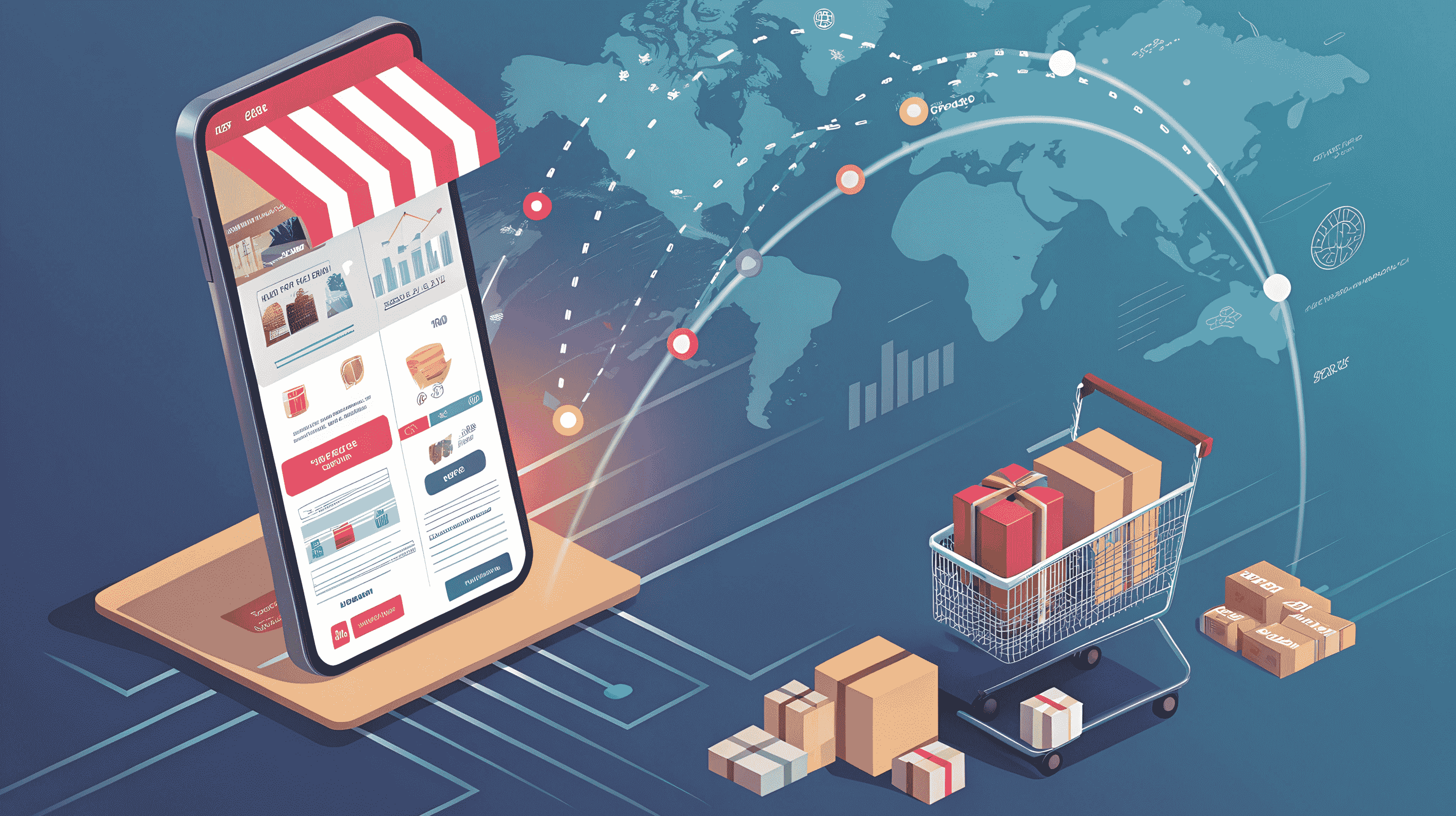
Mobile shopping breaks down geographical barriers, allowing businesses to reach customers worldwide. With the integration of language options, currency converters, and international shipping, businesses can cater to a diverse audience, significantly expanding their market reach.

Conclusion

The rise of mobile shopping is transforming the retail landscape, providing businesses with new avenues to connect with customers and boost sales. By embracing mobile-first strategies, leveraging personalization, and integrating innovative technologies, companies can stay ahead of the competition and thrive in the digital marketplace. As mobile shopping continues to evolve, businesses that invest in this channel will be well-positioned to reap its long-term benefits.

The Role of Online Stores in Expanding Your Market Reach

In today’s digital age, businesses face an unprecedented opportunity to grow beyond geographical constraints. Online stores play a pivotal role in enabling this transformation, offering a gateway to reach diverse audiences across the globe. By understanding the advantages and strategies of online retail, businesses can leverage this channel to maximize their market reach.

Cost-Effective Market Expansion

Compared to setting up physical outlets, launching and maintaining an online store is far more cost-effective. Businesses can save on rent, utilities, and staffing costs for in-store personnel while optimizing inventory management through drop-shipping or centralized warehousing. These savings can be reinvested into marketing and technology to enhance the online shopping experience.

Personalized Customer Experiences

Online stores are equipped with tools and data analytics that provide insights into customer behavior. By utilizing this information, businesses can offer personalized product recommendations and create targeted marketing campaigns while improving customer retention through loyalty programs and tailored discounts.

Breaking Geographical Barriers

One of the most significant advantages of an online store is its ability to eliminate geographical limitations. Traditional brick-and-mortar stores rely on foot traffic and local customer bases, whereas an online store can attract customers from any location with an internet connection. This allows businesses to tap into international markets, operate 24/7 to accommodate different time zones, and reduce dependency on a specific region’s economy.

Scalability and Flexibility

An online store offers unmatched scalability. Whether a business is small or large, it can adjust its operations to meet demand. During peak seasons or promotional periods, businesses can expand their product offerings quickly, handle increased traffic with robust e-commerce platforms, and update inventory and pricing in real-time.

Building Brand Visibility

Having an online presence increases brand awareness and credibility. Through effective use of search engine optimization (SEO), social media integration, and email marketing, businesses can attract more visitors to their store, build a loyal customer base, and strengthen their brand’s digital footprint.

Key Strategies for Success

To maximize the potential of an online store, businesses should consider the following strategies:

Mobile Optimization: Ensure the store is mobile-friendly to cater to the growing number of smartphone users.

High-Quality Content: Invest in professional product descriptions, images, and videos to engage customers.

Secure Payment Systems: Build trust with customers by offering safe and diverse payment options.

Streamlined Logistics: Partner with reliable shipping providers for timely deliveries.

Customer Support: Provide responsive and accessible customer service through chatbots, email, or phone.

Conclusion

Online stores have revolutionized the way businesses approach market expansion. By breaking geographical barriers, reducing operational costs, and offering personalized experiences, they provide unparalleled opportunities for growth. Companies that invest in building robust online stores and adopt strategic practices will not only expand their market reach but also secure a competitive edge in the digital economy.

The Future of Cafe and Restaurant Apps: Trends and Innovations

The future of cafe and restaurant apps is an exciting landscape shaped by technology, customer demands, and the evolving foodservice industry. As mobile and web apps continue to grow in popularity, cafes and restaurants are exploring innovative ways to enhance the customer experience and streamline their operations. Here are some key trends and innovations to look out for:

1. AI-Powered Personalization

AI is being used to personalize customer experiences based on past behaviors, preferences, and even location. Apps can suggest menu items, create personalized offers, or recommend meals based on dietary restrictions and previous orders. This level of customization can help increase customer satisfaction and loyalty.

2. Contactless Ordering and Payment

The shift toward contactless technology, accelerated by the COVID-19 pandemic, has become a permanent fixture in the foodservice industry. Customers now expect a seamless experience that minimizes physical interaction. Restaurant apps are responding by integrating features such as mobile ordering, contactless payment, and QR code menu access.

Customers can use their smartphones to place orders directly, pay through digital wallets, and even leave tips—all without needing to interact with cashiers or handle physical menus. These features not only enhance convenience but also improve hygiene and safety, which remain top priorities for many diners.

3. Smart Kitchen Integration

Apps are increasingly integrating with kitchen management systems, allowing for better order tracking, inventory management, and coordination between front-of-house and back-of-house teams. This can result in faster order fulfillment, fewer mistakes, and improved communication.

4. Augmented Reality (AR) Menus

AR technology is starting to be used in restaurant apps to enhance menu browsing. By using their smartphone cameras, customers can visualize dishes in 3D or see nutritional information in real-time. This provides a more engaging and informative way to explore the menu, helping customers make better choices.

5. Sustainability Features

With growing interest in sustainability, many cafe and restaurant apps are incorporating features that allow customers to make eco-friendly choices. This could include information about the carbon footprint of menu items, options for selecting sustainable packaging, or even donating to environmental causes directly through the app.

6. Delivery and Pickup Integration

The rise of food delivery and curbside pickup has made seamless integration a must-have feature for restaurant apps. Customers can browse menus, customize orders, and schedule pickups or deliveries directly from their smartphones. Real-time tracking provides updates on the status of their order, from preparation to delivery, enhancing transparency and trust.

Restaurants that operate their own delivery fleets can use these apps to optimize delivery routes and reduce wait times. For customers, the convenience of ordering their favorite meals from the comfort of their homes makes this feature indispensable.

7. Voice Ordering and AI Assistants

Voice-activated ordering through smart devices is gaining traction. With voice assistants like Siri, Alexa, or Google Assistant, customers can place orders, customize meals, and even pay for their meals with voice commands. This innovation streamlines the ordering process, especially for busy customers on the go.

8. Blockchain for Transparency and Security

Blockchain technology is being explored for its ability to provide transparent supply chains. By incorporating blockchain, cafes and restaurants can offer customers information about the origin of ingredients, ensuring that they are sourced ethically and sustainably. Blockchain also offers improved security for transactions, helping to reduce fraud.

9. Social Media Integration and Community Building

Many apps are incorporating social media features to enhance customer engagement. This includes sharing photos of meals, rating restaurants, and posting reviews directly within the app. Some apps even offer customers the ability to connect with others or follow favorite restaurants, fostering a sense of community.

10. Health and Dietary Insights

As customers become more health-conscious, apps are integrating features that allow diners to track calories, nutrients, and allergens in their meals. This can be particularly useful for people with specific dietary needs or those looking to make healthier choices.

11. AI-Powered Predictive Analytics

AI can analyze customer data to predict trends, optimize staffing, and forecast demand. This allows cafes and restaurants to anticipate busy times, manage inventory more efficiently, and reduce food waste.

Conclusion

The future of cafe and restaurant apps is centered on improving the customer experience while increasing operational efficiency. As technology continues to advance, we can expect to see even more innovations that enhance personalization, sustainability, and convenience. For businesses in the foodservice industry, embracing these trends will be key to staying competitive and meeting the evolving demands of tech-savvy customers.