

SEO for Success: Why WordPress is the best choice for businesses that want to rank #1 on Google.

post

Why Online Marketplace Apps Are Revolutionizing E-Commerce

For businesses, these marketplaces offer an efficient and cost-effective way to reach a global customer base without the logistical challenges of setting up individual online stores. This blog post delves deeper into how online marketplace apps are not just changing how we buy and sell, but how they’re driving innovation in e-commerce.

1. Accessibility to a Global Audience

One of the key reasons online marketplace apps are revolutionizing e-commerce is the accessibility they offer to both sellers and buyers. Small businesses and individual sellers, who previously might have struggled to gain visibility, can now list their products on a platform with millions of active users. The low barrier to entry means that anyone, from artisans and creators to large-scale manufacturers, can tap into a global market.

For consumers, these platforms offer the convenience of browsing through a seemingly endless selection of products from across the world. This global reach has not only expanded consumer choice but has also increased competition, leading to better deals and an enhanced shopping experience. With the rise of mobile apps, consumers can shop anywhere and anytime, making e-commerce even more accessible.

2. Enhanced Consumer Trust and Security
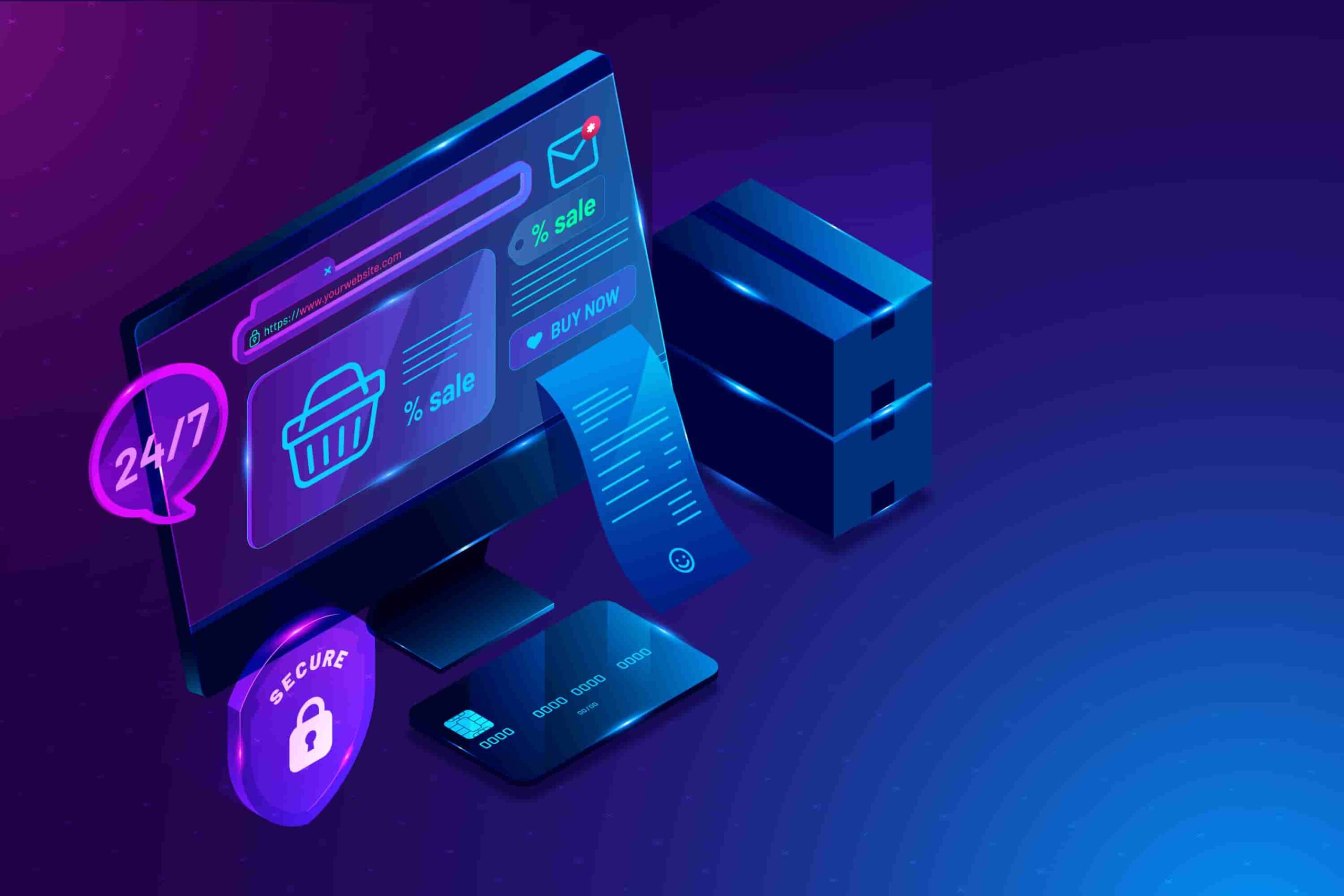
When buying online, trust and security are top concerns for consumers. Marketplace apps address these concerns by offering built-in features designed to protect both buyers and sellers. Payment gateways, such as PayPal and secure credit card processing, help ensure that transactions are safe. Many platforms also have buyer protection policies in place, guaranteeing that if something goes wrong—whether it’s an issue with the product or a shipping delay—the consumer is protected and entitled to a refund or replacement.

Additionally, the ability to read product reviews and ratings from previous buyers adds another layer of confidence. Buyers can assess the reliability of a seller and the quality of their products based on the experiences of others. The transparency offered by these features fosters trust and encourages repeat business, which is crucial for the sustained success of e-commerce.

3. Seamless Shopping Experience

A hallmark of successful online marketplaces is their user-friendly design and the seamless shopping experience they offer. Marketplace apps are optimized to provide a smooth, intuitive interface, allowing users to easily navigate through various categories, filter by brand, price, or rating, and quickly find the products they’re looking for. These platforms utilize advanced search engines and personalized recommendations powered by AI, which further enhances the shopping experience by suggesting products tailored to individual preferences.

Moreover, the integration of various payment options, such as credit cards, digital wallets, and buy-now-pay-later schemes, gives users the flexibility to pay the way they prefer. One-click purchasing options streamline the buying process, reducing cart abandonment rates and encouraging spontaneous purchases.

4. Increased Competition and Market Innovation
The competitive nature of online marketplaces encourages continuous innovation, benefiting both sellers and consumers. With numerous sellers offering similar products, it becomes essential for businesses to differentiate themselves. Whether through superior product quality, exceptional customer service, or competitive pricing, sellers must constantly adapt to meet the evolving needs of their customers.

This healthy competition leads to better products and services in the marketplace. For example, a seller offering high-quality eco-friendly products might gain a competitive edge over another selling similar items. Similarly, faster shipping times, unique product bundling options, or better customer service can help sellers stand out from the crowd.

Additionally, the pressure to innovate isn’t limited to sellers. Online marketplace apps themselves are constantly evolving, adding new features and functionalities to improve the user experience. Whether it’s through the introduction of augmented reality (AR) for virtual product try-ons, AI-powered chatbots for customer support, or advanced inventory management tools for sellers, marketplace apps are at the forefront of e-commerce innovation.

5. Cost-Effective for Sellers

For sellers, online marketplace apps offer a significant advantage in terms of cost-effectiveness. Launching and maintaining an independent e-commerce website requires substantial investments in web hosting, development, design, and ongoing marketing efforts. In contrast, online marketplaces come with a built-in customer base, marketing support, and tools to help sellers track their performance and optimize their listings.

Sellers can also take advantage of marketplace features like advertising tools, promotional offers, and product recommendations, allowing them to compete in a crowded marketplace. The marketplace handles the technical side of things—like transaction security and order processing—allowing sellers to focus on what they do best: creating and delivering great products.

Furthermore, marketplace apps often provide access to valuable analytics, such as customer behavior insights, sales trends, and inventory management tools. These data points help sellers refine their strategies, improve product offerings, and make informed decisions to grow their businesses.

6. Streamlined Logistics and Fulfillment

Logistics and fulfillment are often the most challenging aspects of running an e-commerce business. Many marketplace apps have partnered with logistics companies or developed their own fulfillment networks to handle inventory management, packaging, and shipping. For example, Amazon’s Fulfillment by Amazon (FBA) service allows sellers to store their products in Amazon’s warehouses, where they handle everything from shipping to customer service.

This level of automation and integration is a game-changer for small businesses that might otherwise struggle to manage these operations themselves. By outsourcing these tasks, sellers can focus more on product development and customer engagement, knowing that their logistics are in good hands.

7. Expanding Payment Options and Financial Inclusivity

Marketplace apps have also revolutionized the way people pay for goods. Traditional e-commerce websites often require credit or debit cards, but many marketplace apps now offer additional payment methods, such as digital wallets, cryptocurrencies, and even buy-now-pay-later options. These flexible payment options make it easier for customers around the world to shop, regardless of their financial situation or location.

For sellers, having access to multiple payment systems can result in more completed transactions and higher sales volumes. Marketplace apps also often handle currency conversion for international transactions, further streamlining the process and removing barriers to global trade.

Conclusion

Online marketplace apps have undoubtedly changed the way we interact with e-commerce. They have democratized access to global markets for sellers, providing them with cost-effective tools to reach customers and grow their businesses. For consumers, marketplace apps offer an unmatched combination of variety, security, convenience, and competitive pricing. By fostering innovation, increasing trust, and enhancing the shopping experience, these platforms are shaping the future of digital commerce. Whether you’re a seller looking to expand your reach or a consumer seeking a better shopping experience, marketplace apps are leading the way to a new era in e-commerce.

Benefits of Using Web App Views for Your Business

1. Cross-Platform Accessibility

Web app views can be accessed on various devices and operating systems, including desktops, tablets, and smartphones, without needing separate apps for each platform. This cross-platform accessibility makes it easier for users to engage with your business anytime, anywhere.

2. Cost-Effective Development

Developing a web app view is typically much more cost-effective than building multiple native apps for iOS, Android, and desktop platforms. With a single codebase, development time and costs are significantly reduced. This cost efficiency extends beyond initial development—maintenance and updates are also streamlined since changes can be implemented across all platforms simultaneously. By reducing development costs, your business can allocate more resources to other growth areas, such as marketing, customer support, and user experience improvements.

3. Easy Maintenance and Real-Time Updates

Web apps allow you to update features, improve performance, and fix bugs in real-time, without requiring users to download updates. This helps keep the experience consistent for all users and saves time for your team.

4. Faster Time to Market

Since you’re working with a single codebase and a unified app experience, development cycles can be shorter, allowing you to launch quickly. This advantage is crucial in competitive markets where reaching customers first can be a significant advantage.

5. Improved User Experience Across Devices

Web apps are built to be responsive, adapting seamlessly to various screen sizes and orientations. This responsive design ensures that users enjoy an optimal experience whether they’re viewing your app on a large desktop monitor, a tablet, or a small smartphone screen. This adaptability helps reduce friction for users, making it easier for them to navigate and interact with your content. With the ability to offer a smooth, device-agnostic experience, you can significantly enhance user satisfaction and encourage repeat engagement.

6. Enhanced SEO and Organic Discoverability

Unlike native apps, which can only be discovered through app store searches, web apps can be indexed by search engines. This opens up opportunities to optimize your app for search engines, helping it appear in relevant search results and attracting organic traffic. By leveraging SEO, your business can enhance its online presence, drive more traffic to your web app, and potentially reduce dependence on paid advertising or other costly customer acquisition methods.

7. Increased Reach and Instant Accessibility

Web apps are accessible through URLs, which means users don’t need to visit app stores to find or download your app. They simply need to visit your site, which makes it easy for potential customers to interact with your business immediately.

8. Integration with Existing Business Systems

Web app views can be seamlessly integrated with your existing systems, such as customer relationship management (CRM) platforms, inventory management, and analytics tools. By centralizing data and integrating systems, your business can operate more efficiently, reducing redundancies and improving overall productivity.

9. Data-Driven Decision Making and Personalization

With a web app, you can easily integrate tracking systems and analytics tools to monitor user interactions, preferences, and usage patterns. These insights are essential for optimizing your app, tailoring content, and personalizing user experiences. This data-driven approach allows you to make informed decisions, refine your marketing strategies, and adapt your offerings to better meet customer needs, ultimately fostering a more engaged and satisfied user base.

10. Scalability to Meet Growing Demand

Web apps allow for easy scalability, which is essential as your business expands and user demand increases. Because they’re hosted on a web server, web apps can handle fluctuations in traffic and user numbers more efficiently. Adding new features, updating interfaces, or accommodating a larger user base can be done with minimal impact on existing operations, making web apps a scalable solution for growing businesses.

11. Progressive Web App (PWA) Features

Modern web apps can leverage Progressive Web App (PWA) capabilities to provide offline access, push notifications, and home screen shortcuts. These features give web apps a native app feel and make them more engaging for users. By implementing PWA capabilities, your business can enhance user retention, offer better customer support through notifications, and provide uninterrupted service even when users experience connectivity issues.

12. Global Reach and Reduced Language Barriers

Web apps can support multiple languages, allowing your business to cater to diverse audiences around the world. By easily integrating multilingual support and localized content, you can ensure that your web app resonates with international users. This global reach not only boosts brand awareness but also enables your business to tap into new markets, expanding customer acquisition efforts beyond your local region.

13. Environmental Benefits

Compared to native apps, web apps often consume fewer resources, as they don’t require large downloads or device storage. Users with limited storage or data concerns are more likely to engage with web apps, reducing waste and lowering the environmental footprint associated with app usage.

Final Thoughts

Web app views offer flexibility, cost savings, and the ability to reach a wider audience. They allow you to provide an optimized experience across platforms while keeping development and maintenance costs low. These benefits can help your business grow and stay competitive in the ever-changing digital landscape.

Top Reasons to Choose an Online Store for Your Shopping Needs

1. Unmatched Convenience

One of the biggest reasons to choose an online store for your shopping is the sheer convenience it offers. With online shopping, you can browse and buy products anytime, anywhere, eliminating the hassle of commuting to a physical store. Imagine avoiding the traffic, the crowded malls, and the long checkout lines; instead, you can make purchases from the comfort of your home, workplace, or even while traveling. This flexibility allows you to shop at any hour that suits your schedule, making it ideal for those with busy lifestyles or unusual hours. Online shopping also saves you significant time and energy that would otherwise be spent navigating stores, waiting in line, and carrying purchases. With just a few clicks, you can have products delivered directly to your doorstep, making it a perfect solution for anyone who values convenience and efficiency.

2. Extensive Variety of Products

The variety available in online stores far surpasses what most physical stores can offer, giving you access to an impressive range of products across virtually every category. Whether you’re looking for everyday essentials, niche products, or the latest trends, online stores provide an extensive selection that caters to every preference and need. This diversity is especially beneficial for those living in areas with limited shopping options, as it opens up access to international brands and hard-to-find items. You’re no longer limited by what’s available locally; instead, you have the freedom to choose products from around the world. Online stores often feature a wider range of sizes, colors, and styles, as well, allowing for more personalized choices. The expansive variety also means you can shop for multiple categories—from clothing to electronics to home decor—all in one place, simplifying the shopping experience even further.

3. Competitive Pricing and Discounts

Online shopping platforms are known for offering competitive prices, often lower than what you’d find in physical stores. This is due in part to lower overhead costs for online retailers, which allows them to pass on savings to their customers. Moreover, online stores frequently feature discounts, sales, and exclusive promotions, making it easy to find great deals on popular items. For savvy shoppers, there are numerous ways to save, such as by signing up for loyalty programs, using discount codes, or taking advantage of flash sales. Additionally, many platforms allow you to compare prices across different sellers in real time, ensuring you get the best possible value. Seasonal promotions like Black Friday, Cyber Monday, and holiday sales can also help you snag significant discounts, making online shopping a budget-friendly option that lets you stretch your money further.

4. Customer Reviews and Recommendations

One of the standout features of online shopping is the ability to access detailed customer reviews and ratings before making a purchase. This is a valuable resource that helps you make more informed decisions based on real experiences from other buyers. Reviews often cover everything from product quality and usability to potential issues, providing insights that a product description alone might not convey. Many sites also have recommendation algorithms that suggest products based on your browsing history and past purchases, making it easier to discover items suited to your taste. Additionally, some reviews include photos and videos, so you can see the product in real-life settings and better understand its features. The feedback and recommendations from fellow shoppers act as a trusted guide, reducing the risk of buyer’s remorse and ensuring you feel confident about your purchase.

5. Detailed Product Information

When shopping online, you gain access to a wealth of product information that can often surpass what you’d find in-store. Online product listings typically include detailed descriptions, specifications, size charts, ingredient lists, and even user guides or video demonstrations, all designed to help you understand exactly what you’re buying. This level of information is especially helpful for products where specifics matter, like electronics, cosmetics, or clothing, where knowing the materials, dimensions, or technical specs can make a big difference. Many websites also have customer Q&A sections where common questions are answered by previous buyers or even the sellers themselves, adding another layer of clarity. With this much detail at your fingertips, you can shop with confidence, knowing that you’ve gathered all the necessary information before committing to a purchase.

6. Easy Price Comparisons

Online shopping makes price comparison a breeze, enabling you to ensure you’re getting the best deal with minimal effort. Unlike physical shopping, where comparing prices might mean visiting multiple stores, online platforms allow you to quickly check prices across different sellers in a matter of minutes. Some sites even have built-in comparison tools or browser extensions that alert you to better deals on other websites. Additionally, you can set up price-drop alerts or use price-tracking tools that notify you when a product’s price goes down, allowing you to buy at the most favorable time. This transparency in pricing not only helps you save money but also builds trust, as you can see exactly how each store’s pricing stacks up against the competition. For budget-conscious shoppers, easy price comparison is one of the most compelling reasons to choose online shopping.

7. Flexible Payment and Delivery Options

Online stores cater to a range of preferences with flexible payment and delivery options, allowing you to customize your shopping experience according to your needs. Most online platforms accept multiple payment methods, including credit and debit cards, digital wallets, and even cash-on-delivery, ensuring that you have choices that suit your convenience. In terms of delivery, many retailers offer standard, express, and even scheduled delivery options, so you can choose a timeframe that works best for you. Some sites also provide package-tracking services that let you monitor your order’s progress in real time. For those with tight schedules or specific delivery preferences, these options make online shopping particularly appealing. The flexibility to control how and when you pay or receive your order adds a layer of convenience that’s difficult to match with traditional shopping.

8. No Pressure from Sales Staff

Another appealing aspect of online shopping is the absence of sales pressure, allowing you to make purchasing decisions at your own pace. In physical stores, sales staff can sometimes be overly persuasive, encouraging impulse buys or creating a sense of urgency that might not align with your needs. Online, you can take all the time you need to research, compare, and decide on products without any pressure to make an immediate decision. This freedom is especially helpful when shopping for high-value items or products that require more consideration, as you’re able to thoroughly evaluate options and read reviews without distraction. Online shopping creates a relaxed environment where you’re in control, allowing you to feel confident and satisfied with your final choices.

9. Access to Return and Exchange Policies

Finally, online shopping provides the peace of mind that comes with clear return and exchange policies, which are often prominently displayed on product pages. If an item doesn’t meet your expectations, you can typically initiate a return or exchange with minimal hassle. Many stores offer a return window of up to 30 days or more, and some even provide free returns, making it easy to correct purchasing mistakes. Refunds are generally processed promptly, and you may also have the option of receiving store credit if that’s more convenient. For products like clothing or electronics, where fit and functionality are crucial, the option to return or exchange makes online shopping a low-risk endeavor, encouraging you to try new items without worry.

Sustainability in E-commerce and Online Stores Can Go Green

In today’s digital age, e-commerce is thriving, offering unparalleled convenience and accessibility. However, this rapid growth brings with it important environmental challenges. As consumers become more eco-conscious, the demand for sustainable practices in online retail is rising. Embracing sustainability is not just a responsible choice—it’s a golden opportunity for e-commerce businesses to enhance their brand, connect with consumers, and make a lasting positive impact on the planet.

1. Surging Consumer Demand for Sustainable Choices

As awareness of environmental issues grows, consumers are actively seeking out brands that align with their values. By offering eco-friendly products and transparent practices, e-commerce businesses can tap into this burgeoning market, driving higher sales and customer engagement. Sustainability is not just a trend—it’s a pivotal driver of consumer loyalty and purchasing decisions.

2. Building a Strong Brand Identity

Sustainability is a powerful driver of brand loyalty. When companies showcase their commitment to environmental responsibility, they foster trust and credibility among consumers. This positive brand image not only attracts new customers but also encourages existing ones to remain loyal. As consumers share their positive experiences with sustainable brands, businesses can benefit from valuable word-of-mouth marketing, further enhancing their reputation.

3. Gaining a Competitive Edge

In a crowded marketplace, sustainability can set a brand apart from its competitors. E-commerce businesses that integrate green practices into their operations not only appeal to eco-conscious consumers but also create a distinct identity that differentiates them. This unique positioning can lead to increased market share and customer retention.

4. Realizing Long-Term Cost Savings

While initial investments in sustainable practices may seem daunting, many initiatives lead to significant cost savings over time. Energy-efficient technologies, optimized supply chains, and reduced packaging waste can lower operational expenses. These savings can be reinvested into the business, fueling further growth and innovation.

5. Staying Ahead of Regulatory Changes

As governments around the world introduce stricter environmental regulations, e-commerce businesses that adopt sustainable practices early can stay ahead of compliance requirements. This proactive approach minimizes the risk of fines and disruptions, ensuring smoother operations and enhancing corporate reputation.

6. Contributing to a Healthier Planet

Embracing sustainability allows e-commerce businesses to make a meaningful contribution to environmental preservation. By reducing waste, conserving resources, and mitigating climate change, companies can play a vital role in creating a healthier planet for future generations. This sense of purpose can inspire both employees and customers, fostering a community of like-minded individuals.

7. Attracting Investments and Partnerships

Sustainability is increasingly becoming a key criterion for investors and partners seeking to collaborate with responsible brands. By demonstrating a commitment to green practices, e-commerce businesses can enhance their appeal, attracting investments that support growth and innovation.

8. Fostering Innovation and Adaptability

The journey toward sustainability often sparks innovation within organizations. Businesses that prioritize eco-friendly practices are encouraged to rethink processes, develop new products, and explore creative solutions to environmental challenges. This culture of innovation not only drives sustainability but also positions companies for long-term success in a dynamic market.

Conclusion

Embracing sustainability in e-commerce is a transformative strategy that offers numerous benefits, from increased consumer loyalty to enhanced brand reputation and long-term cost savings. As businesses adopt eco-friendly practices, they not only contribute to a healthier planet but also unlock a wealth of opportunities for growth and innovation. The commitment to sustainability is not just a wise choice—it’s a powerful catalyst for positive change, enabling e-commerce companies to thrive while making a meaningful impact on the world.