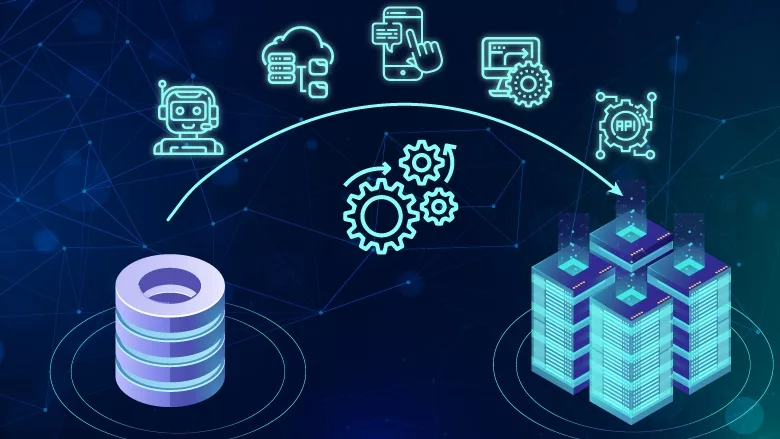
The Complete Ecosystem: Connecting your Laravel Store to a React Native or Flutter Mobile App.

post

Scaling Your Sales: Why a Laravel Store Won’t Crash During a Viral Marketing Campaign

In the digital era, “going viral” is the ultimate dream for any marketing team. Whether it’s a flash sale, an influencer shout-out, or a trending social media post, a sudden surge in traffic can be the turning point for your business.

However, for many business owners, this dream quickly turns into a nightmare when their website fails to handle the pressure. A crashing site doesn’t just mean lost sales; it means a damaged brand reputation and wasted marketing dollars.

If you are planning to scale, you need a foundation that is built for growth. This is where Laravel – the world’s most popular PHP framework comes into play. Here is why a Laravel-powered store remains rock-solid, even when your marketing campaign goes viral.

1. Advanced Caching Capabilities

When thousands of users hit your site simultaneously, the biggest bottleneck is often the database. Laravel supports popular caching backends like Redis and Memcached out of the box. By storing frequently accessed data (like product descriptions or navigation menus) in the cache, Laravel reduces the load on your server, allowing it to serve pages almost instantaneously to a massive audience.

2. Efficient Queue Management

A viral campaign often triggers a flood of background tasks: sending order confirmation emails, processing payments, and updating inventory. If a website tries to do all of this at once for every visitor, it will slow down or crash.

Laravel’s Queue system allows you to defer these heavy tasks to a background process.This ensures the user experience remains lightning-fast while the “heavy lifting” happens seamlessly in the background.

3. Horizontal Scalability

A Laravel application is designed with scalability in mind. It can easily be deployed across multiple servers (Horizontal Scaling). By using a load balancer, your traffic is distributed evenly across several server instances. If one server gets overwhelmed, the others pick up the slack, ensuring 100% uptime during your most critical sales windows.

4. Optimized Database Performance

Laravel’s Eloquent ORM and migration system make it easy to optimize database queries. With features like “Eager Loading,” Laravel prevents the common “N+1” query problem that often bogs down less sophisticated platforms. A leaner, faster database means more concurrent customers can checkout without a hitch.

5. Robust Security for High Traffic

Viral campaigns often attract unwanted attention from bots and malicious actors. Laravel provides built-in protection against SQL injection, cross-site request forgery (CSRF), and cross-site scripting (XSS). While you focus on sales, Laravel’s security features ensure your customer data stays protected and your site stays online.

Build Your Future-Proof Store with EoCambo

At EoCambo, we specialize in building high-performance, custom web solutions tailored to your business needs.We understand that your website is more than just a digital storefront—it’s the engine of your growth.

Whether you are looking for a bespoke e-commerce platform or a complex enterprise system, our team of experts uses Laravel to ensure your business is ready for the “viral” moment.

Don’t let a technical failure limit your success. Choose a framework—and a partner—that grows with you.

Modernizing Retail: Why Every E-Commerce Brand Needs a Flutter or React Native App in 2026

The retail landscape has officially shifted from “digital-first” to “mobile-only.” As we navigate 2026, the gap between brands that offer a seamless mobile experience and those that rely solely on responsive websites has become a canyon.

For e-commerce businesses looking to scale, the debate is no longer about whether to build an app, but how to build it efficiently. In the current market, cross-platform frameworks—specifically Flutter and React Native—have emerged as the gold standard for modernizing retail.

Here is why your brand needs to make the leap this year.

1. The Death of the “Mobile Web” Experience

While responsive websites were sufficient five years ago, 2026 consumers demand instant gratification. Mobile browsers often suffer from latency, clunky navigation, and a lack of offline functionality.

Native-like apps built with Flutter or React Native provide the “greased lightning” speed users expect. By leveraging GPU-accelerated rendering (Flutter) or native components (React Native), brands can offer buttery-smooth scrolling and instant transitions that keep users engaged rather than frustrated by loading spinners.

2. Hyper-Personalization via On-Device Intelligence

In 2026, generic marketing is noise. A dedicated mobile app allows brands to tap into sophisticated on-device data and AI. Unlike web browsers, which are increasingly restricted by privacy “sandboxes,” apps can more effectively leverage:

  • Biometric Authentication: One-touch FaceID/Fingerprint login for frictionless checkout.

  • Precise Geofencing: Sending a personalized discount code when a customer is near your physical showroom.

  • Advanced Push Notifications: Using rich media and interactive alerts to bring users back to their abandoned carts with a 400% higher effectiveness rate than email.

3. One Codebase, Two Platforms, Half the Cost

The primary reason Flutter and React Native dominate the 2026 development scene is economic efficiency. Historically, brands had to hire two separate teams to build for iOS and Android.

These frameworks allow your developers to write one codebase that runs beautifully on both platforms. This doesn’t just cut initial development costs in half; it ensures that your features, bug fixes, and seasonal updates are launched simultaneously across all devices, maintaining brand consistency.

4. Integrating the “Phygital” World

2026 is the year of “Phygital” retail—the blending of physical and digital shopping. Flutter and React Native make it incredibly easy to integrate hardware features that a browser cannot handle well:

  • Augmented Reality (AR): Let customers “place” furniture in their room or “try on” clothes using their camera.

  • High-Speed Barcode Scanning: Enhancing the in-store experience by allowing customers to scan items for reviews or online stock checks.

  • Seamless IoT Integration: Connecting with smart lockers or in-store kiosks.

5. Future-Proofing with Scalability

As e-commerce evolves toward voice commerce and wearable integration, Flutter and React Native are uniquely positioned to adapt. Their modular nature allows brands to scale from a simple storefront to a complex ecosystem involving loyalty programs, subscription management, and multi-vendor marketplaces without needing to rebuild from scratch.

Ready to Modernize Your Brand?

The transition to a high-performance mobile app is the single most impactful investment an e-commerce brand can make in 2026. At Eocambo, we specialize in bridging the gap between traditional retail and the digital future.

If you are looking for the right tools to elevate your business, explore our solutions and products to see how we can transform your digital presence.

Ready to start building? Contact us today to consult with our experts on whether Flutter or React Native is the best fit for your 2026 growth strategy.

Why Your Website Speed Directly Impacts Your Revenue

In the digital marketplace, every millisecond counts. While design and content are crucial, the technical performance of your website—specifically its speed, is often the invisible factor that determines whether a visitor becomes a customer or a bounce statistic.

Here is an article breaking down exactly why website speed is a direct driver of your bottom line.

Why Your Website Speed Directly Impacts Your Revenue

In an era of instant gratification, your customers aren’t just looking for quality; they are looking for it now. Research consistently shows that as page load time increases, the probability of a user leaving (bouncing) skyrockets.

1. The “Impatience Factor”: Bounce Rates and Speed

A slow website creates friction. If a page takes longer than three seconds to load, over 40% of users will abandon it. This isn’t just a lost visit; it’s a potential customer moving directly to a competitor.

  • 1–3 seconds: Bounce probability increases by 32%.

  • 1–5 seconds: Bounce probability increases by 90%.

  • 1–10 seconds: Bounce probability increases by 123%.

2. Search Engine Visibility (SEO)

Google has explicitly stated that page speed is a ranking factor. Their “Core Web Vitals” are metrics used to measure the health of a site’s user experience.

If your site is slow, you will rank lower in Search Engine Results Pages (SERPs). Lower rankings mean less organic traffic, which leads to fewer opportunities for sales. In short: Slow speed = Lower visibility = Lower revenue.

3. Conversion Rates: The Millisecond Advantage

Conversion rate optimization (CRO) is often focused on button colors or headlines, but speed is the foundation. Even a 0.1-second improvement in site speed can increase conversion rates by nearly 8–10% for retail sites.

Load TimeImpact on Conversion
< 2 SecondsPeak conversion window for most E-commerce sites.
3 – 4 SecondsConversion rates begin to drop by roughly 5-10% per second.
5+ SecondsSignificant “cart abandonment” and loss of consumer intent.

The Psychological Impact: Trust and Brand Perception

Speed is a proxy for professionalism. When a site loads instantly, it feels secure, modern, and reliable. Conversely, a sluggish site triggers subconscious “red flags” for users:

  • Security Concerns: Users are less likely to enter credit card info on a site that feels “broken” or slow.

  • Customer Support: A slow site suggests that the company’s customer service might be equally slow.

“A slow website is like a physical store with a door that’s hard to open. Most customers will simply walk to the next shop rather than struggle to get in.”

How to Reclaim Your Revenue: Quick Wins

If your site is lagging, you don’t necessarily need a full rebuild. Start with these high-impact technical fixes:

  • Optimize Images: Large image files are the #1 cause of slow sites. Use WebP formats and compress images before uploading.

  • Enable Browser Catching: This stores elements of your site on a visitor’s device so the site loads faster on their next visit.

  • Use a Content Delivery Network (CDN): A CDN stores your site on a global network of servers, ensuring it loads quickly regardless of where the user is located.

  • Minify Code: Strip away unnecessary characters from your HTML, CSS, and JavaScript.

The Bottom Line

Website speed is no longer just a “technical spec”—it is a core business metric. By investing in performance, you aren’t just making your site faster; you are actively reducing friction in the sales funnel and protecting your profit margins.

How Legacy Systems Are Holding Your Business Back

In the fast-paced world of digital business, sticking with what you know can sometimes be the riskiest move of all. “Legacy systems” outdated software, hardware, or processes might feel comfortable, but they often act as an invisible anchor, slowing down operations and draining resources.

While these systems may have served you well in the past, relying on them in today’s competitive market is a liability. Here is how holding onto outdated technology is quietly sabotaging your growth and why modernization is no longer optional.

1. The Hidden Costs of “Free” Maintenance

It is easy to assume that keeping an old system is cheaper than buying a new one. However, the maintenance costs of legacy software often far exceed the price of an upgrade. As technology evolves, finding technicians who understand outdated code or hardware becomes difficult and expensive.

Furthermore, legacy systems are inefficient. Your team likely spends valuable hours on manual workarounds, data entry, and fixing bugs—time that could be spent on innovation and sales.

2. Security Vulnerabilities

Cybersecurity is perhaps the most critical reason to move away from legacy systems. Older software stops receiving security patches and updates from developers, leaving “back doors” open for cybercriminals.

Modern systems come with built-in, up-to-date security protocols that protect your business and your customer’s sensitive data. Clinging to the past doesn’t just risk efficiency; it risks your reputation.

3. Inability to Scale

When your business grows, your technology needs to grow with it. Legacy systems are notoriously rigid. They struggle to integrate with modern tools like cloud computing, mobile apps, or advanced analytics.

If you want to expand into e-commerce, offer a mobile app to customers, or simply automate your inventory, an outdated system will likely say “no.” Modern solutions are designed to be flexible, allowing you to add new features and modules as you scale.

4. Poor Customer Experience

Today’s customers expect speed and convenience. They want to order online, track deliveries in real-time, and get instant support. Legacy systems often result in slow processing times and disjointed data, leading to frustrated customers who may take their business elsewhere.

By modernizing, you provide a seamless experience that builds loyalty and trust.

How We Can Help

At eOcambo Technology, we understand that transitioning from the old to the new can feel overwhelming. That is why we specialize in bridging the gap between where you are and where you need to be. Whether you need a custom-built system or a ready-to-launch mobile application, we have the tools to modernize your operations without the headache.

From grocery store apps to comprehensive business management systems, our products are designed to streamline your operations and future-proof your business.

Don’t let yesterday’s technology dictate your tomorrow. If you are ready to cut costs, improve security, and scale your business, we are here to guide you every step of the way.

Contact us today for a free consultation and let’s discuss how we can unlock your business’s full potential.

Mobile app for business

Why Your Business Needs a Mobile App in 2025

Having a strong online presence is no longer optional, it’s a necessity. While websites remain essential, mobile apps are quickly becoming the go-to solution for businesses looking to enhance customer experience, increase engagement, and drive revenue. If your business doesn’t have a mobile app yet, now is the time to consider one. Here’s why:

1. Enhanced Customer Engagement

A mobile app allows direct communication with your customers through push notifications, personalized content, and in-app messaging. Unlike websites, apps provide a more immersive experience, keeping users engaged and informed about promotions, updates, and new products or services.

2. Increased Brand Visibility

Your app lives on your customer’s smartphone, meaning your brand is always just a tap away. This constant visibility builds brand recognition and trust, keeping your business top-of-mind whenever customers need your products or services.

3. Convenience & Accessibility

Mobile apps offer a faster and more convenient user experience than websites. With features like one-tap login, saved preferences, and offline access, customers can interact with your business effortlessly.

4. Boosted Sales & Revenue

A well-designed mobile app can streamline the buying process, making it easier for customers to browse products, make purchases, and track orders. With integrated payment options and exclusive app-only discounts, businesses can drive more conversions and increase revenue.

5. Better Customer Loyalty

Loyalty programs integrated into mobile apps encourage repeat business. Whether it’s through reward points, personalized offers, or membership perks, an app can turn occasional customers into loyal brand advocates.

6. Data-Driven Insights

Apps allow businesses to collect valuable customer data, including preferences, behavior, and purchase history. With this information, you can optimize marketing strategies, improve product offerings, and deliver a more personalized experience.

7. Competitive Advantage

Many businesses are still hesitant to invest in a mobile app, meaning there’s a golden opportunity to stand out. By offering a mobile experience, you can set yourself apart from competitors who rely solely on traditional digital channels.

Final Thoughts

A mobile app is more than just a trend, it’s a powerful tool that can transform the way you do business. Whether you want to boost sales, increase engagement, or improve customer loyalty, investing in an app is a step toward long-term success.

If you’re ready to build a mobile app for your business, our team can help. Let’s bring your vision to life! 🚀

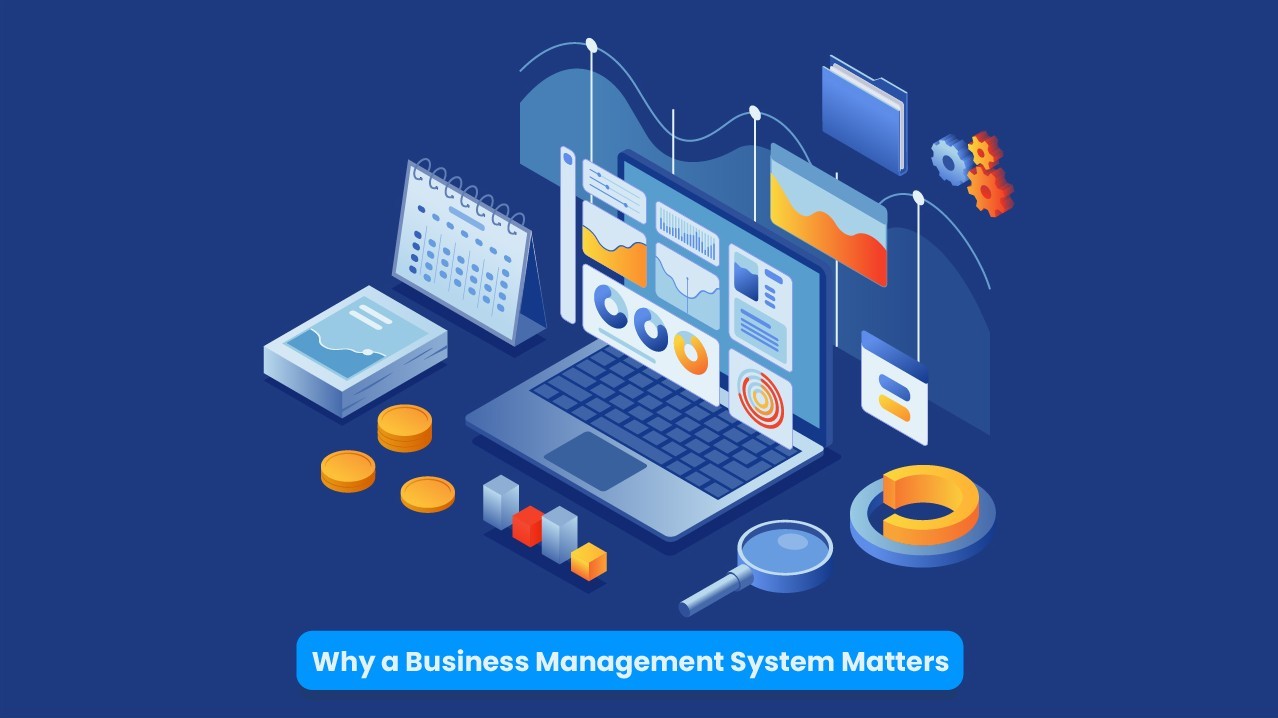
Why a Business Management System Matters

In today’s fast-paced business world, efficiency is everything. Whether you run a small startup or a large enterprise, staying organized, managing resources effectively, and optimizing workflows are essential for growth. This is where a Business Management System (BMS) comes in.

What is a Business Management System?

A Business Management System is a set of tools and processes designed to help businesses streamline operations, improve productivity, and make data-driven decisions. It integrates various functions like finance, inventory, customer relationship management (CRM), human resources, and more into a single platform, reducing the need for multiple disconnected tools.

Why Your Business Needs a Management System

1. Increased Efficiency and Automation

Manual processes slow businesses down and increase the risk of errors. A BMS automates routine tasks, such as invoicing, payroll, and reporting, allowing employees to focus on more strategic activities.

2. Better Decision-Making with Real-Time Data

A business cannot grow effectively without accurate insights. A BMS provides real-time analytics and reports, helping business owners and managers make informed decisions based on reliable data.

3. Cost Savings

By automating tasks and integrating different functions, businesses reduce operational costs. Less time spent on administrative work means more resources can be allocated toward growth and innovation.

4. Improved Customer Relationship Management

A good BMS includes CRM tools that help track customer interactions, sales data, and support tickets. This enables businesses to offer better customer service and build stronger relationships.

5. Scalability and Growth

As your business expands, managing operations manually becomes overwhelming. A BMS grows with your business, ensuring that processes remain streamlined and efficient even as demand increases.

Final Thoughts

Investing in a Business Management System isn’t just about convenience—it’s about staying competitive in an evolving market. Businesses that embrace digital solutions position themselves for long-term success by reducing inefficiencies, improving decision-making, and enhancing customer satisfaction.

Are you ready to take your business to the next level? Implementing a Business Management System could be the key to unlocking your company’s full potential!

How Mobile Shopping is Boosting Sales for Businesses

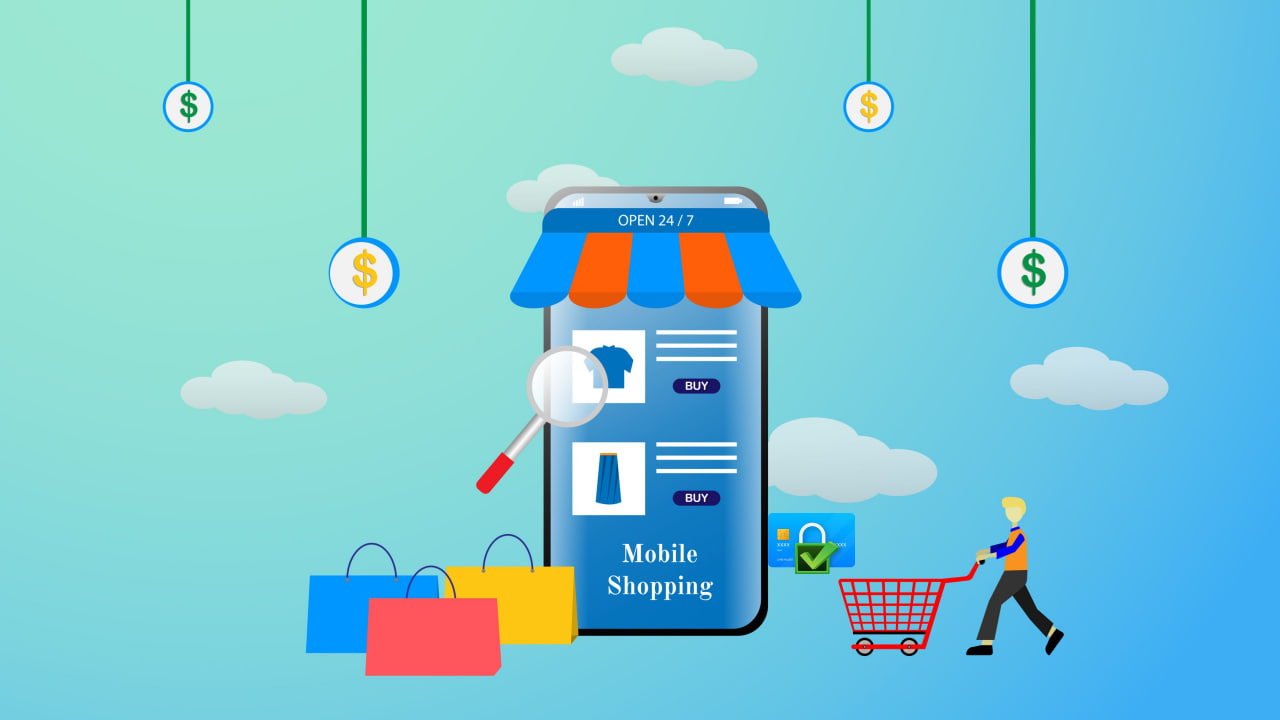
In the digital era, mobile shopping has emerged as a powerful driver of revenue for businesses across the globe. With the proliferation of smartphones and the convenience of online shopping, consumers are increasingly turning to their mobile devices to browse, compare, and purchase products and services. This shift in consumer behavior is not just a trend but a fundamental transformation in how businesses interact with their customers. Here’s how mobile shopping is boosting sales for businesses:

1. Increased Accessibility

Mobile shopping allows customers to shop anytime and anywhere, breaking down the barriers of traditional retail. This 24/7 accessibility significantly increases the opportunities for businesses to engage with their audience. Consumers can make purchases during their commute, while waiting in line, or from the comfort of their homes, leading to higher conversion rates.

2. Personalized Shopping Experiences

Mobile apps and websites leverage advanced algorithms and customer data to provide personalized shopping experiences. By analyzing browsing history, purchase patterns, and preferences, businesses can tailor recommendations, promotions, and notifications to individual users. This level of personalization not only enhances the customer experience but also drives repeat sales.

3. Seamless Payment Options

Mobile shopping platforms integrate with various payment gateways, offering customers multiple payment options such as credit cards, digital wallets, and buy-now-pay-later services. The convenience and security of these payment methods reduce friction in the purchasing process, encouraging more transactions.

4. Enhanced Marketing Opportunities

Mobile devices are a gateway for businesses to connect with customers through targeted advertising, push notifications, and social media integration. For example, a well-timed push notification about a flash sale can prompt immediate purchases. Similarly, social media ads optimized for mobile devices drive traffic directly to online stores.

5. Utilization of Mobile-First Strategies

Many businesses are adopting mobile-first strategies, designing their e-commerce platforms to prioritize mobile users. Features like responsive design, fast-loading pages, and intuitive navigation are critical for retaining mobile shoppers. Companies that excel in mobile optimization see higher engagement and conversion rates.

6. Augmented Reality (AR) and Virtual Try-Ons

Mobile shopping has introduced innovative technologies like augmented reality (AR), enabling customers to virtually try on clothes, accessories, or even furniture. These interactive experiences reduce the uncertainty associated with online purchases, increasing customer confidence and boosting sales.

7. Leveraging Data Analytics

Mobile shopping platforms generate vast amounts of data that businesses can analyze to identify trends, optimize pricing strategies, and improve inventory management. Real-time insights help companies make informed decisions, ensuring that they meet customer demands effectively.

8. Expansion of Global Reach

Mobile shopping breaks down geographical barriers, allowing businesses to reach customers worldwide. With the integration of language options, currency converters, and international shipping, businesses can cater to a diverse audience, significantly expanding their market reach.

Conclusion

The rise of mobile shopping is transforming the retail landscape, providing businesses with new avenues to connect with customers and boost sales. By embracing mobile-first strategies, leveraging personalization, and integrating innovative technologies, companies can stay ahead of the competition and thrive in the digital marketplace. As mobile shopping continues to evolve, businesses that invest in this channel will be well-positioned to reap its long-term benefits.

Why Online Marketplace Apps Are Revolutionizing E-Commerce

For businesses, these marketplaces offer an efficient and cost-effective way to reach a global customer base without the logistical challenges of setting up individual online stores. This blog post delves deeper into how online marketplace apps are not just changing how we buy and sell, but how they’re driving innovation in e-commerce.

1. Accessibility to a Global Audience

One of the key reasons online marketplace apps are revolutionizing e-commerce is the accessibility they offer to both sellers and buyers. Small businesses and individual sellers, who previously might have struggled to gain visibility, can now list their products on a platform with millions of active users. The low barrier to entry means that anyone, from artisans and creators to large-scale manufacturers, can tap into a global market.

For consumers, these platforms offer the convenience of browsing through a seemingly endless selection of products from across the world. This global reach has not only expanded consumer choice but has also increased competition, leading to better deals and an enhanced shopping experience. With the rise of mobile apps, consumers can shop anywhere and anytime, making e-commerce even more accessible.

2. Enhanced Consumer Trust and Security

When buying online, trust and security are top concerns for consumers. Marketplace apps address these concerns by offering built-in features designed to protect both buyers and sellers. Payment gateways, such as PayPal and secure credit card processing, help ensure that transactions are safe. Many platforms also have buyer protection policies in place, guaranteeing that if something goes wrong—whether it’s an issue with the product or a shipping delay—the consumer is protected and entitled to a refund or replacement.

Additionally, the ability to read product reviews and ratings from previous buyers adds another layer of confidence. Buyers can assess the reliability of a seller and the quality of their products based on the experiences of others. The transparency offered by these features fosters trust and encourages repeat business, which is crucial for the sustained success of e-commerce.

3. Seamless Shopping Experience

A hallmark of successful online marketplaces is their user-friendly design and the seamless shopping experience they offer. Marketplace apps are optimized to provide a smooth, intuitive interface, allowing users to easily navigate through various categories, filter by brand, price, or rating, and quickly find the products they’re looking for. These platforms utilize advanced search engines and personalized recommendations powered by AI, which further enhances the shopping experience by suggesting products tailored to individual preferences.

Moreover, the integration of various payment options, such as credit cards, digital wallets, and buy-now-pay-later schemes, gives users the flexibility to pay the way they prefer. One-click purchasing options streamline the buying process, reducing cart abandonment rates and encouraging spontaneous purchases.

4. Increased Competition and Market Innovation

The competitive nature of online marketplaces encourages continuous innovation, benefiting both sellers and consumers. With numerous sellers offering similar products, it becomes essential for businesses to differentiate themselves. Whether through superior product quality, exceptional customer service, or competitive pricing, sellers must constantly adapt to meet the evolving needs of their customers.

This healthy competition leads to better products and services in the marketplace. For example, a seller offering high-quality eco-friendly products might gain a competitive edge over another selling similar items. Similarly, faster shipping times, unique product bundling options, or better customer service can help sellers stand out from the crowd.

Additionally, the pressure to innovate isn’t limited to sellers. Online marketplace apps themselves are constantly evolving, adding new features and functionalities to improve the user experience. Whether it’s through the introduction of augmented reality (AR) for virtual product try-ons, AI-powered chatbots for customer support, or advanced inventory management tools for sellers, marketplace apps are at the forefront of e-commerce innovation.

5. Cost-Effective for Sellers

For sellers, online marketplace apps offer a significant advantage in terms of cost-effectiveness. Launching and maintaining an independent e-commerce website requires substantial investments in web hosting, development, design, and ongoing marketing efforts. In contrast, online marketplaces come with a built-in customer base, marketing support, and tools to help sellers track their performance and optimize their listings.

Sellers can also take advantage of marketplace features like advertising tools, promotional offers, and product recommendations, allowing them to compete in a crowded marketplace. The marketplace handles the technical side of things—like transaction security and order processing—allowing sellers to focus on what they do best: creating and delivering great products.

Furthermore, marketplace apps often provide access to valuable analytics, such as customer behavior insights, sales trends, and inventory management tools. These data points help sellers refine their strategies, improve product offerings, and make informed decisions to grow their businesses.

6. Streamlined Logistics and Fulfillment

Logistics and fulfillment are often the most challenging aspects of running an e-commerce business. Many marketplace apps have partnered with logistics companies or developed their own fulfillment networks to handle inventory management, packaging, and shipping. For example, Amazon’s Fulfillment by Amazon (FBA) service allows sellers to store their products in Amazon’s warehouses, where they handle everything from shipping to customer service.

This level of automation and integration is a game-changer for small businesses that might otherwise struggle to manage these operations themselves. By outsourcing these tasks, sellers can focus more on product development and customer engagement, knowing that their logistics are in good hands.

7. Expanding Payment Options and Financial Inclusivity

Marketplace apps have also revolutionized the way people pay for goods. Traditional e-commerce websites often require credit or debit cards, but many marketplace apps now offer additional payment methods, such as digital wallets, cryptocurrencies, and even buy-now-pay-later options. These flexible payment options make it easier for customers around the world to shop, regardless of their financial situation or location.

For sellers, having access to multiple payment systems can result in more completed transactions and higher sales volumes. Marketplace apps also often handle currency conversion for international transactions, further streamlining the process and removing barriers to global trade.

Conclusion

Online marketplace apps have undoubtedly changed the way we interact with e-commerce. They have democratized access to global markets for sellers, providing them with cost-effective tools to reach customers and grow their businesses. For consumers, marketplace apps offer an unmatched combination of variety, security, convenience, and competitive pricing. By fostering innovation, increasing trust, and enhancing the shopping experience, these platforms are shaping the future of digital commerce. Whether you’re a seller looking to expand your reach or a consumer seeking a better shopping experience, marketplace apps are leading the way to a new era in e-commerce.


Social Media Marketing and Connecting with Your Customers

Social media marketing offers a powerful way to connect with customers, build relationships, and encourage brand loyalty. Here’s a breakdown of some strategies and tips to make the most of social media for effective customer engagement:

1. Understand Your Audience on a Deeper Level

Before diving into social media marketing, it’s essential to have a well-rounded understanding of your audience. Start by identifying the demographic groups that best represent your customer base. Do they skew toward a younger generation found on TikTok and Instagram, or are they professionals more active on LinkedIn? Knowing this helps in choosing the right platforms and tailoring content to their preferences.

Beyond demographics, consider developing detailed customer personas. Personas represent hypothetical yet realistic individuals who embody the traits and preferences of your ideal customers. For example, if your business is aimed at eco-conscious consumers, your persona might include someone interested in sustainability and ethical shopping. Building personas allows for more tailored content and messaging, making your brand’s communication more effective and relevant.

2. Craft Content That Speaks to Your Audience

Creating content that resonates with your audience is key to effective social media engagement. Aim to produce a mix of educational, entertaining, and inspiring content that aligns with their interests. Content that offers value, like how-to guides, tips, or behind-the-scenes glimpses of your brand, tends to build interest and loyalty.

User-generated content (UGC) is another valuable way to connect. Encouraging your customers to share photos or stories featuring your product not only expands your reach but also acts as powerful social proof. When others see customers genuinely enjoying your brand, it builds trust and relatability. Share UGC on your channels to showcase your community and make your followers feel valued.

Consistency in visuals and brand voice also plays a critical role. Ensure that the images, colors, and tone of voice across all posts align with your brand identity. This cohesion helps customers recognize and feel connected to your brand no matter where they encounter it.

3. Engage Actively with Your Followers

Social media is not just a platform for broadcasting; it’s a place for two-way communication. Make it a priority to respond promptly to comments, messages, and mentions. A quick response shows that your brand values its customers, building trust and enhancing your reputation for attentiveness.

Encouraging interaction is another important strategy. Ask questions in your captions, run polls, and create interactive stories that invite feedback. By doing so, you not only gain insights into your audience’s preferences but also create a lively, engaged community. Customers appreciate being asked for their opinions, and it strengthens their connection to your brand.

Consider celebrating your customers through regular features or shoutouts. This could involve showcasing a customer’s unique story, sharing their testimonials, or spotlighting loyal customers who advocate for your brand. Such gestures make customers feel recognized, further solidifying their loyalty.

4. Harness the Power of Data and Analytics

Data can guide your social media strategy by providing insights into what content resonates with your audience. Track key performance indicators (KPIs) like engagement rate, reach, click-through rate, and conversions. These metrics reveal how well your content performs and whether it successfully drives traffic or sales.

Use this data to continually refine your strategy. If certain types of posts receive higher engagement, such as videos or infographics, incorporate similar content into your regular rotation. Experiment with new formats and topics, and assess performance to ensure your approach aligns with your goals. Adjusting based on data allows you to remain agile and effective in reaching your audience.

5. Use Influencer Marketing Thoughtfully

Influencer marketing can be a powerful addition to your social media strategy if approached thoughtfully. When choosing influencers to work with, look for those whose audiences align with your brand’s values and target demographic. This ensures that your product resonates with the influencer’s followers and feels like a natural fit.

Partnering with influencers should feel authentic to be effective. Allow them the freedom to introduce your product or service in a way that aligns with their personal brand and voice. Authenticity fosters trust between the influencer’s followers and your brand, increasing the likelihood of engagement and positive reception.

6. Build a Community Around Your Brand

Building a community is a powerful way to create lasting connections with your audience on social media. When customers feel they’re part of a community, they connect with your brand on a deeper level, extending beyond the products or services you offer. Creating exclusive groups, hosting live sessions, or organizing virtual events can foster a sense of belonging and make followers feel like valued members of your brand’s journey. For example, Facebook groups can act as forums where customers can share experiences, offer feedback, ask questions, and interact with others who share similar interests. These initiatives not only strengthen customer loyalty but also create a space where followers feel engaged and appreciated.

Engagement doesn’t have to stop there—giveaways and contests are excellent ways to build excitement around your brand. Not only do they offer followers the chance to interact with you in a fun way, but they also spread brand awareness and encourage word-of-mouth marketing. With careful planning, these community-building initiatives can create an enthusiastic following and foster a lasting connection with your brand.

How to Optimize Your Service App for Better User Engagement

Optimizing your service app for better user engagement is crucial to retaining customers and driving long-term growth. Here are strategies to improve engagement, focusing on personalization, seamless user experience, and active communication.

1. Streamline Onboarding

The first interaction a user has with your service app sets the tone for future engagement. A complex or confusing onboarding process can lead to drop-offs. To optimize, simplify the process by limiting the number of steps to create an account and allowing social logins or guest modes. Offer interactive tutorials that guide users through the key features of your app. Additionally, gather essential information early on, like preferences or location, to customize the user’s experience from the start.

2. Personalized User Experience

Users are more likely to engage with content and features tailored to their needs. Use data-driven techniques to deliver personalized recommendations. Implement behavior-based customization by tracking user actions to suggest frequently used services based on past interactions. Change the app’s home screen or navigation based on the user’s preferences or most-used features, making the experience more relevant. If applicable, integrate location-based notifications or services, sending reminders or promotions relevant to the user’s current location.

3. Push Notifications & In-App Messaging

Push notifications are effective in re-engaging users, but they must be used strategically to avoid overwhelming them. Send personalized push notifications based on individual user behavior, such as reminders for upcoming appointments or promotions on frequently booked services. Segment your user base to send relevant, targeted messages, like exclusive discounts for users who haven’t booked in a while. Use in-app messaging to provide helpful tips or updates on new features, boosting user awareness without forcing them to leave the service app.

4. Gamification

Gamification taps into users’ natural desires for achievement and reward, increasing engagement and encouraging loyalty. Offer reward systems such as badges or points for completing certain actions like frequent bookings or writing reviews. Create community elements, such as leaderboards for achievements or usage challenges, encouraging users to complete a set number of bookings or services to unlock rewards.

5. Seamless User Interface (UI) and User Experience (UX)

A well-designed UI/UX ensures users enjoy interacting with the app. A cluttered or poorly designed interface frustrates users and can lead to drop-offs. Make sure navigation is simple and logical so users can easily access core services without unnecessary clicks. Ensure the app is optimized for various devices and screen sizes, creating a smooth experience for all users. Consider accessibility features such as voice control or larger text sizes to accommodate a broader audience.

6. Incorporate User Feedback

User feedback is a powerful tool for understanding what works and what doesn’t. Regularly collect feedback to improve user engagement. Implement feedback mechanisms such as quick surveys or review prompts after completing a service. Show users that you listen by implementing popular suggestions and fixing pain points, creating a sense of community and trust. Offer an easy way for users to rate the app and specific services, improving trust and encouraging new users to engage.

7. Loyalty Programs

Loyalty programs encourage users to engage more frequently by rewarding consistent app use. Create a point-based system where users earn points for each service they book, which can be redeemed for discounts, free services, or exclusive offers. Encourage users to refer others to the app by offering rewards for both the referrer and the new user. Offer different reward tiers to encourage users to reach higher levels of engagement, providing premium users access to special services or discounts.

8. Regular Updates and New Features

Apps that frequently update and offer new features keep users interested. However, new features should align with users’ needs and behaviors. When releasing new features, use in-app messaging or email notifications to highlight the updates and explain how they improve the user experience. Involve users in testing new features through beta programs to build anticipation and gather valuable feedback before a full release. Analyze which features are most used and continue improving them while discarding or revamping underperforming ones.

9. Cross-Platform Integration

Ensure users can engage with your service across different platforms seamlessly. Allow users to switch between devices without losing progress or history, which is especially important for apps offering services that might span different contexts. Integrate your app with social media platforms to make it easier for users to share content or refer services to their network.

10. Data Analytics for Continuous Improvement

Track user behavior through detailed analytics and use these insights to improve engagement. Identify patterns in user behavior, such as which features are most popular, where users drop off, and how long they spend on specific tasks. Regularly test different designs, content, and CTAs to see which drives higher engagement. Use metrics like session duration, retention rate, and churn rate to adjust your engagement strategies.

Conclusion

Optimizing your service app for better user engagement is an ongoing process that involves fine-tuning based on user feedback, data analysis, and the strategic use of features. By focusing on personalization, seamless UX, and active communication, you’ll create a more engaging app experience that retains users and drives long-term success.